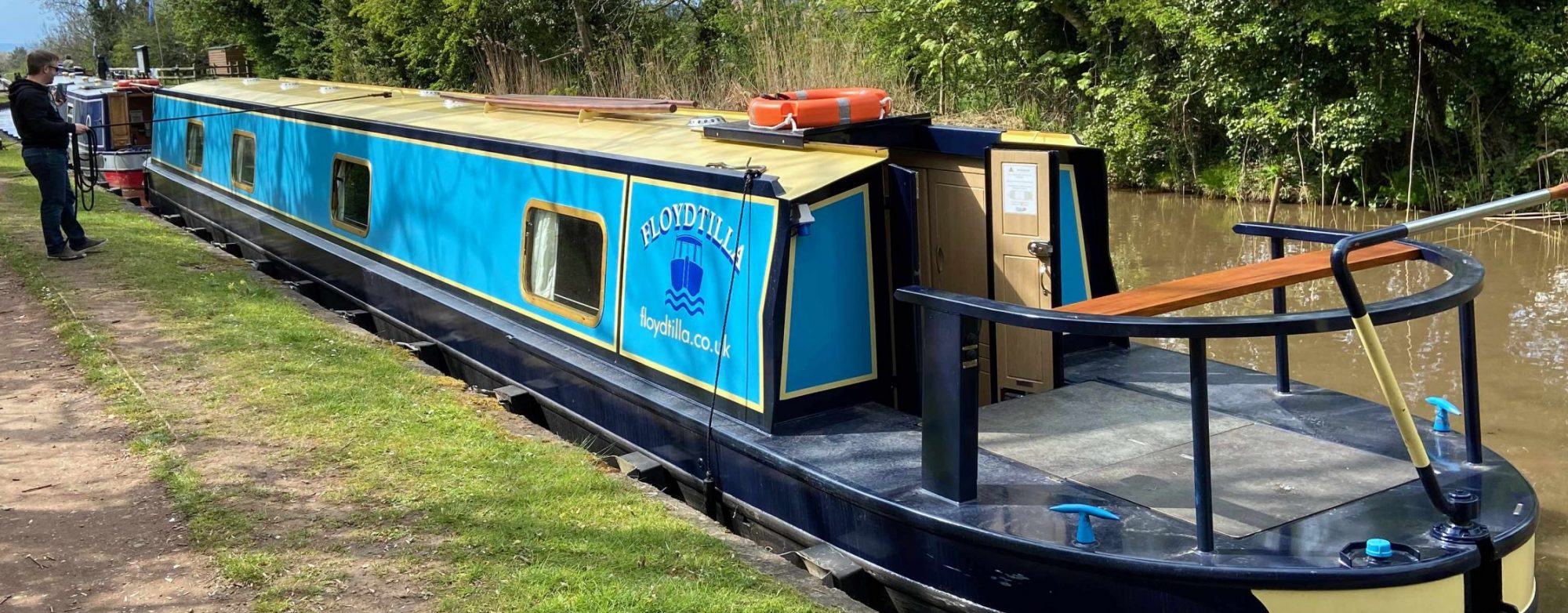

I have been complaining that our fridge does not get as cold as expected, but this year we have not had time for a real boat holiday and have been using the boat for short weekend trips with family or as a stopover for other longer trips, so I put the fridge temperature down to being switched off and on for just a short time.
But the fridge may have been an indicator of bigger problems, we are currently on a longer trip. We have not gone far yet, but we did try to use our new Monsieur Cuisine smart cooking gadget and it tripped out our 3000W Sterling Pro Combi S inverter, odd but I did not worry. This gadget has a larger very powerful motor and a cooking heater, so I suspected it sent something ugly on to the 240V circuit (I know I am old but stuff like this used to happen a lot in our family home,).
So we are out for the first week and decide to put on some washing, we don’t leave our inverter on all the time, so I switched it on and them we loaded and started the washing machine. Within a minute it had also tripped the inverter, we were a few days from passing our home base mooring on the way to Birmingham, so we stopped and moored up by the Droitwich Canal turning and I called Sterling to see if they had any advice.
Sterlings Tech support was quick and insightful. He recommended checking the voltage on the big terminals at the bottom of the inverter, alas it was only 11.4V way too low and the inverter had been switching it self off.
After that call I did a few simple tests. I started the engine and started to charge the batteries. The starter battery was very happy at over 14 volts, but the house batteries started to charge but remained lower that I expected at just sub 14 volts and with the engine switched off the voltage was starting to drop quite quickly.
Our house battery bank is approx 400 Ah made up of 4 X 100 Ah lead acid batteries, plus a separate starter battery with its own alternator. These batteries came with the boat are were probably installed late 2020 or early 2021 by Black Prince, so this is getting near the 4-5 year expected life for lead acid batteries.
The next call was then back to Sterling to see what advice they would give me on what I should fit to replace my batteries with something a little more modern.
They recommended two AMPS LH12200 (12V 200Ah LiFePO4) and a Sterling BB1240 (DC to DC 40A Bidirectional Battery to Battery Charger). We would then retain one of the original 12V lead acid batteries to act as a buffer and then connect the Battery to Battery charger between that and the new LiFePO4 batteries.
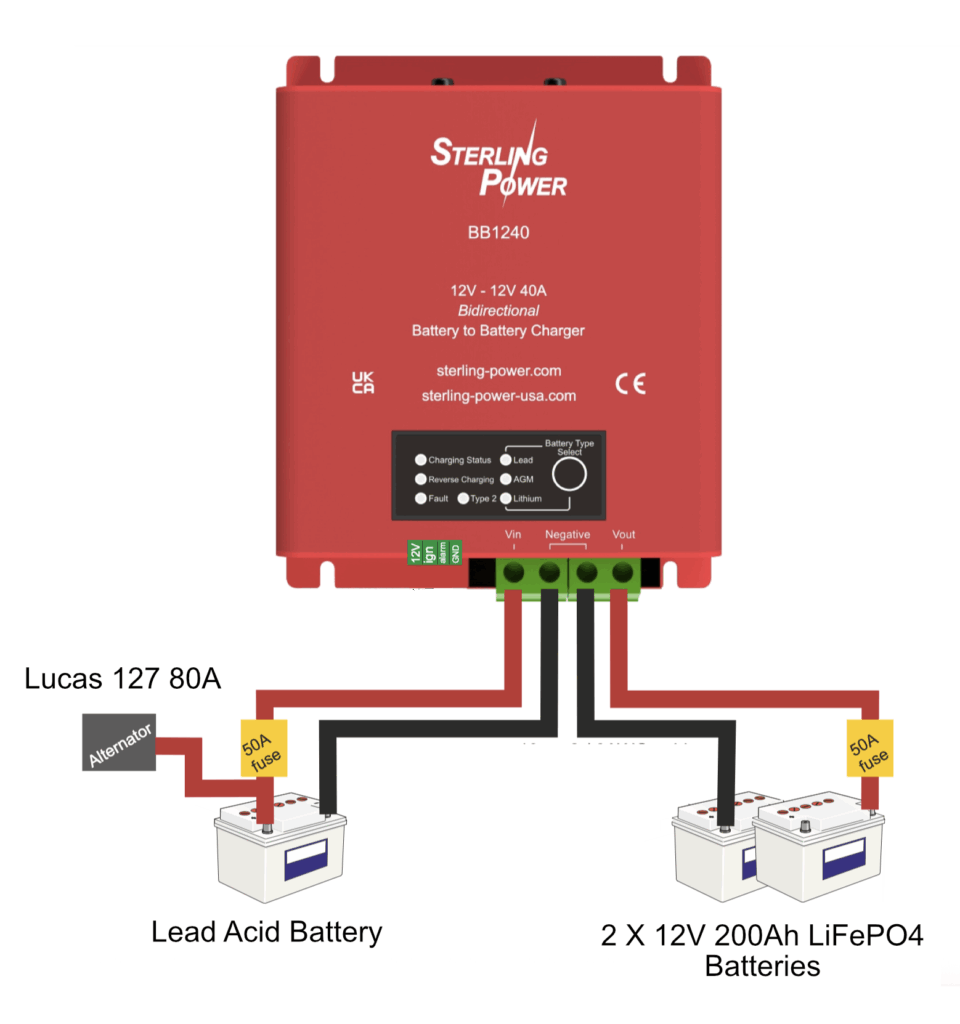
This was then ordered on their website for next day collection, luckily they are based in Driotwich, and we have access to our car so we can go and collect.
Next we will document the install and configuration, and maybe some performance figures if we can work any out, but I am looking forward to a greater useable capacity than the 50% we got with the lead acid.

